By Amir Jafar
This cybersecurity news edition brings together five Australian and global developments reported or officially updated on 9-10 November. Incident dates are separate. Sources checked at 12:06 Sydney on 10 November 2026. Some announcements provide a date only, so exact rolling-24-hour eligibility cannot be established for every item.
1. A trusted WhatsApp message compromises Anne Aly's account
Australia
Report or update: 2026-11-09T14:06:19+11:00
Incident timing: Not disclosed in the reviewed report
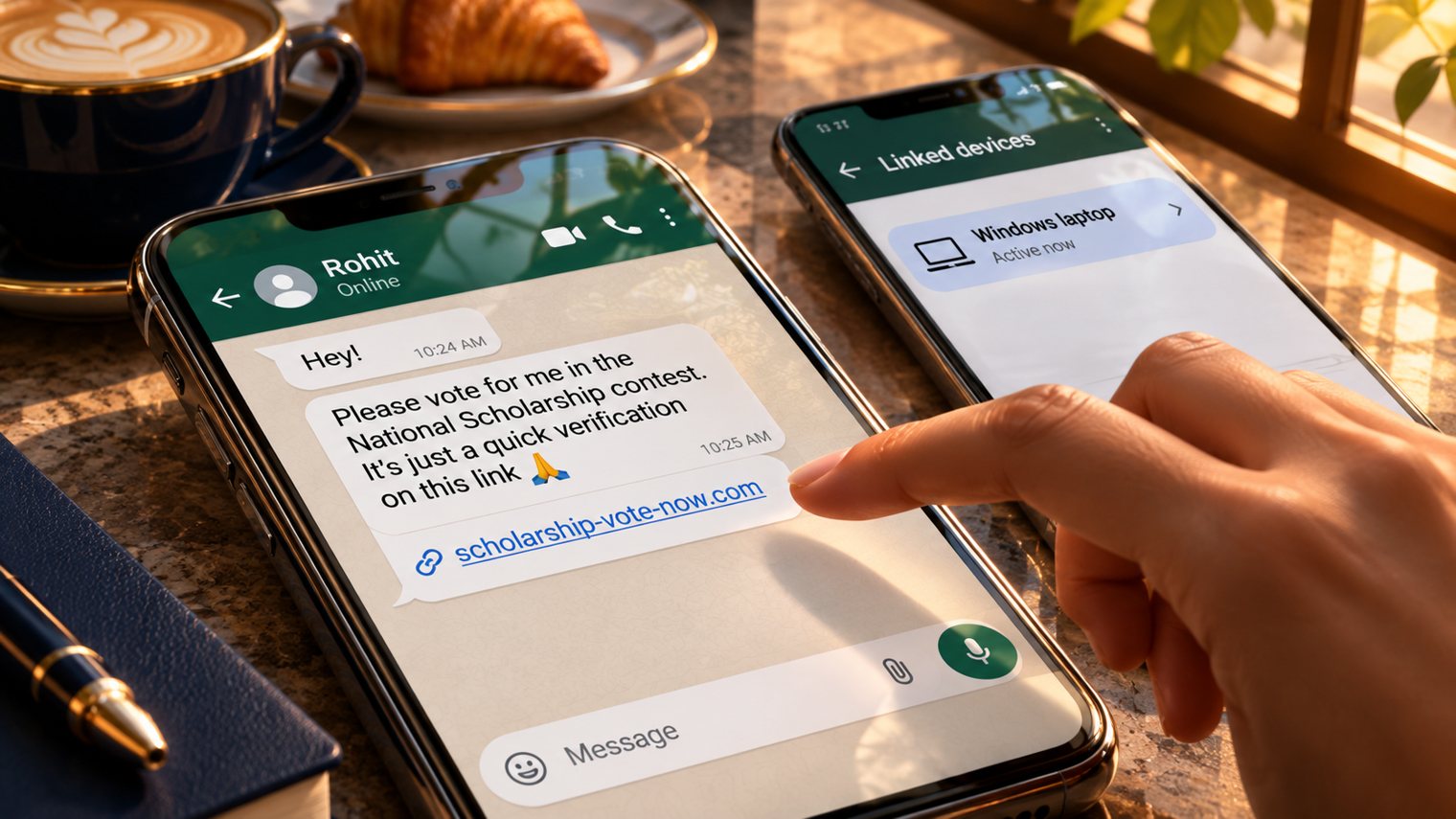
A request from someone you know can be the beginning of an account takeover. SBS reported on 9 November that cabinet minister Anne Aly's WhatsApp account was compromised after she opened a scam link received from a trusted friend. Her spokesperson confirmed that an unauthorised message was then sent to her contacts and said she secured the account and reported the incident.
The message asked recipients to vote for a friend's child to win a scholarship. That is the confirmed social-engineering route, not a forensic explanation of the takeover. The report does not establish whether credentials, a verification code or a linked-device session were involved. It also does not establish AI involvement or a broader compromise of her phone.
For Australian businesses, familiar names are not independent verification of requests involving accounts, payments or customer information. Confirm unusual requests through a separate trusted channel. If a messaging account is misused, the account owner and IT lead should secure access, review linked devices and warn affected contacts using a clean channel.
2. Vanderbilt orders university devices offline during cyber incident

United States
Report or update: 2026-11-09, 11:19 AM as displayed by university; timezone not stated on extracted page
Incident timing: 2026-11-09; initial intrusion time not established
Vanderbilt University said on 9 November that it was responding to an active cybersecurity incident potentially affecting university devices, systems and cloud services. It asked its community to shut down university devices, disconnect from university Wi-Fi and report suspicious activity from a separate device or telephone.
The university's statement identifies unexpected prompts, file changes and cloud-storage permission changes as warning signs. BleepingComputer and the campus newspaper reported a BYOD ransomware claim, but the university had not publicly confirmed the alleged volume of stolen records or whether devices were encrypted. An attacker's demand is not a verified inventory of exposed information.
The commercial issue for Australian organisations is who can authorise containment when everyday work depends on shared systems. Business and IT leaders need an alternative communication route and clear shutdown authority before an incident. Restoring access later would demonstrate availability, not establish that confidential information remained private. Follow the affected organisation's instructions rather than treating its shutdown procedure as universal incident-response advice.
3. SEGA discloses subscriber exposure at its newsletter supplier
Japan
Report or update: 2026-11-09; original announcement clock not supplied
Incident timing: Supplier incident predates disclosure; SEGA notified of exposure 3 November, further details 5-8 November
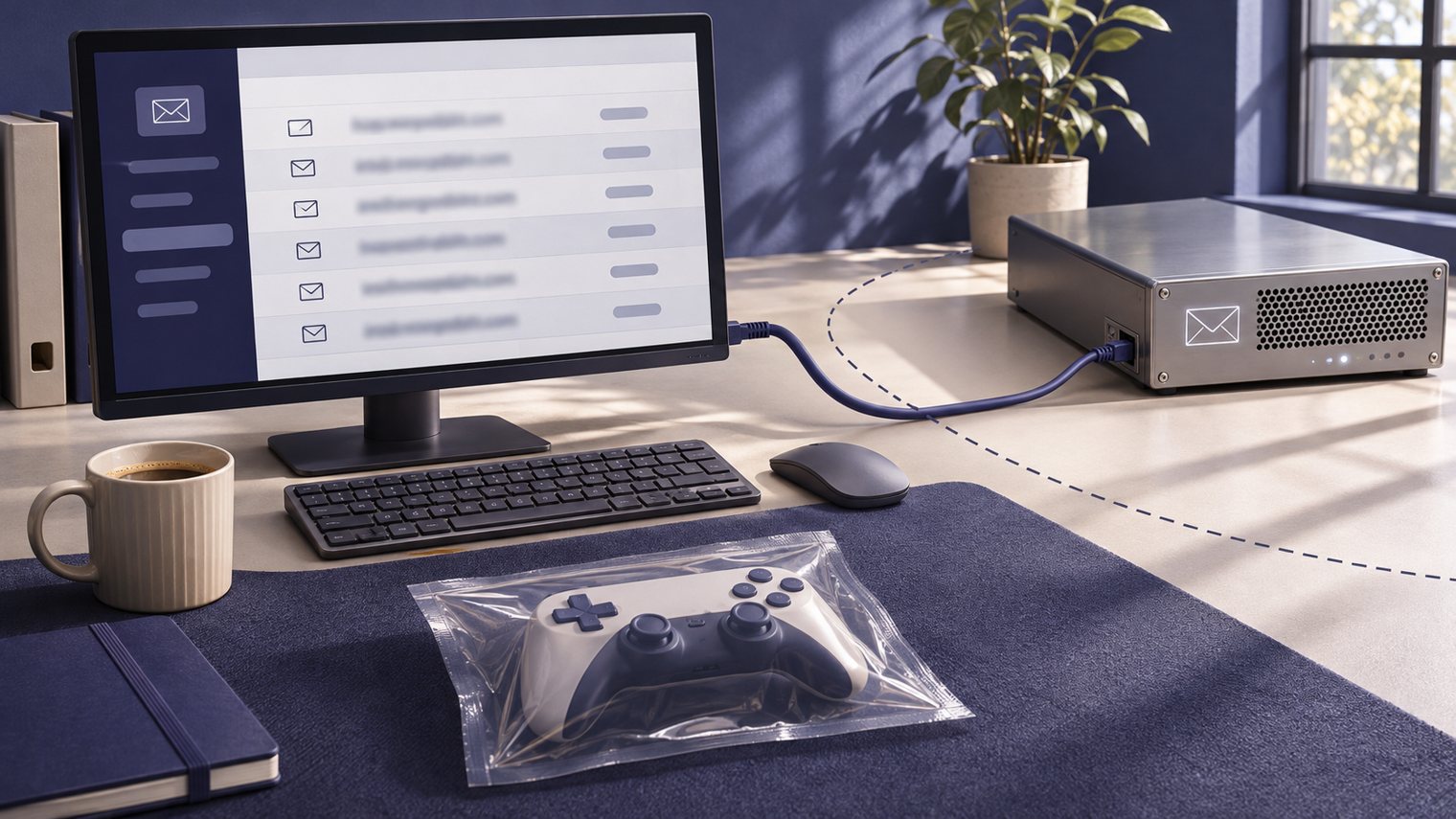
SEGA's 9 November announcement identifies 2,196,044 newsletter email-address records exposed through unauthorised access at distribution supplier ARARA. Of those, 92,273 included associated distribution information whose details were still being investigated. The disclosure concerns selected SEGA and SEGA Fave newsletters, not every customer account.
SEGA says names, dates of birth, addresses, telephone numbers, card information and login passwords were not included. SEGA Account email addresses use a separate distribution system and are outside this incident's scope. The company reports no confirmed misuse of the exposed information so far. Its separate arcade-network incident should not be merged into this breach.
For Australian businesses, a customer database exported to a mailing provider creates another security boundary. An attacker could use subscriber context to make impersonation more convincing even without payment data. Marketing owns the retained audience; IT should verify integration permissions, export access and disconnection procedures. Obtain the supplier's actual affected-field list rather than inferring impact from whether your own website still works.
4. N-able keeps N-central offline while validating a security hotfix

Global, including Asia-Pacific
Report or update: Incident opened 2026-11-09T15:15:00Z; latest reviewed update 2026-11-10T00:00:07Z
Incident timing: Public vulnerability disclosure late 8 November; precautionary shutdown 9 November
N-able has taken hosted N-central environments offline after public disclosure of critical vulnerabilities and advises on-premises customers to keep their N-central servers offline until it provides further guidance. Its 10 November update at 00:00 UTC said hotfix development and validation were continuing. The affected environments include Asia-Pacific.
N-central is a remote monitoring and management platform, so privileged access to it can have consequences beyond the management server. BleepingComputer reports researcher claims covering authentication bypass and code execution. Those claims must be distinguished from confirmed exploitation: N-able says it has seen no indication of customer compromise during this incident. Some Ecoverse services through N-able Login remain available.
Australian businesses using an MSP should ask whether this exact product manages their devices, how monitoring gaps are covered and who will approve reconnection. A previous AlmaLinux-related hotfix on the same dashboard is not evidence that these newly disclosed issues are resolved. The vendor's current incident instructions and validated remediation should govern the next step, not merely a working login.
5. France attributes October refrigeration sabotage to an Iranian unit
France; attribution concerns Iran
Report or update: 2026-11-09; official statement and CERT-FR report supply date only
Incident timing: 2026-10-11 to 2026-10-12; attribution announcement is the new development
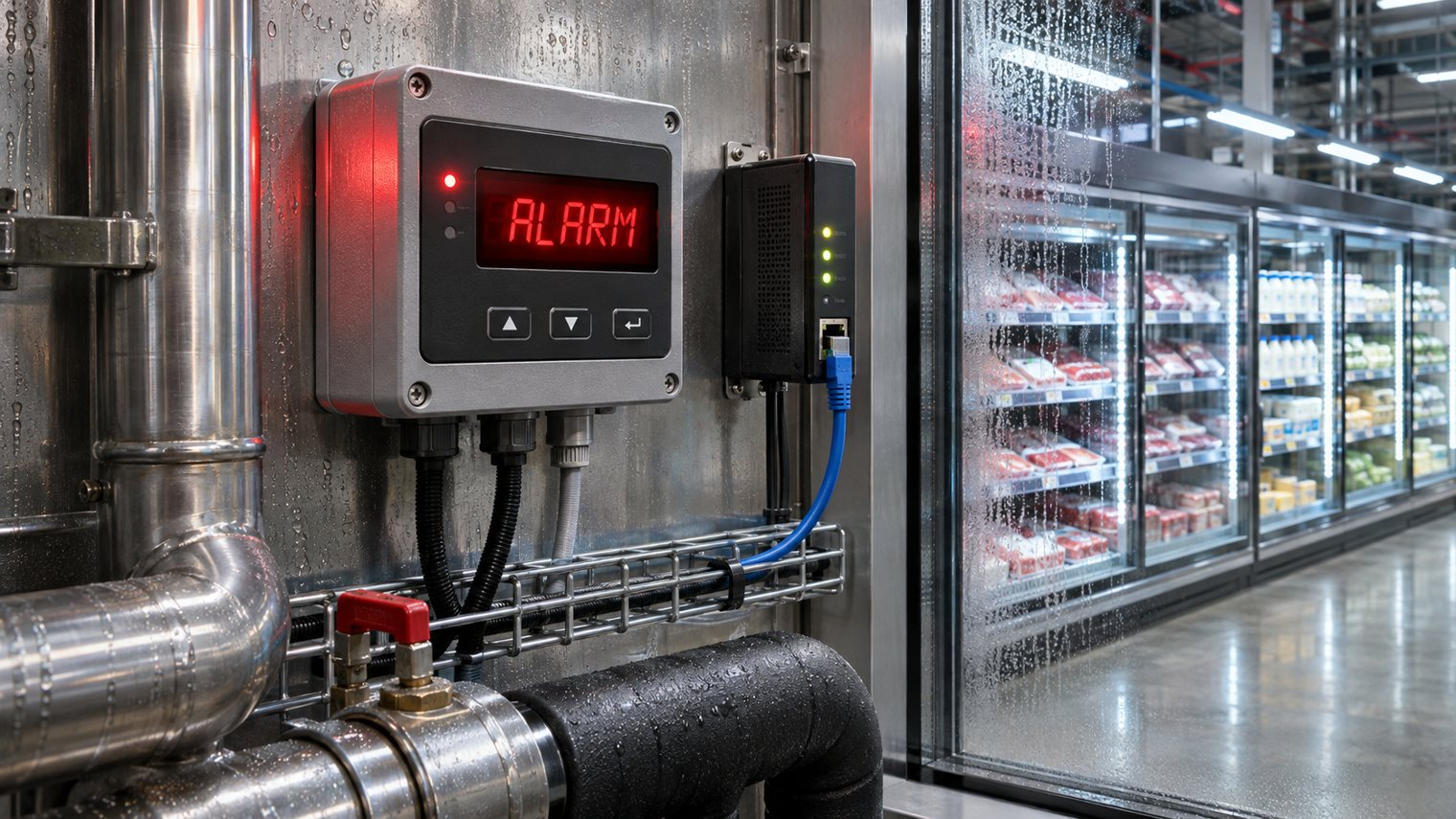
France's 9 November attribution statement links destructive attacks against supermarket refrigeration controllers on 11-12 October to Shahid Kaveh, an Iranian cyber-offensive unit affiliated with the Islamic Revolutionary Guard Corps. The new development is the official attribution and investigation findings, not a claim that these attacks occurred today.
The ministry says the campaign targeted equipment deployed across more than 700 retail sites and caused material damage, fires and food losses. CERT-FR published a supporting technical report. This is attribution by the French authorities, not an independently established finding by Xpansion. It must not automatically be extended to later refrigeration incidents elsewhere in Europe.
The mechanism connects a digital control change with a physical consequence: compromised refrigeration controllers can undermine safe storage even while other business systems function. Australian retailers and cold-chain operators should have operations and IT owners jointly verify remote access, supplier privileges and independent temperature alarms. The French findings establish neither an Australian victim nor identical exposure in every refrigeration installation.
How Xpansion can support your next step
Xpansion Technologies can help review remote-access arrangements, customer-data integrations, endpoint protection and backup priorities through our Managed IT & Security services. Start with the systems your business actually uses, assign an accountable owner and agree what evidence will demonstrate that changes work. Contact us to discuss your next step.
Sources
- SBS, spokesperson confirmation and reporting
- Vanderbilt University incident updates, 9 November
- The Vanderbilt Hustler, 9 November, updated 1:16 PM CST
- BleepingComputer, 9 November
- SEGA incident notice, 9 November, Japanese
- BleepingComputer corroboration, 9 November
- N-able status dashboard, incident 202561
- BleepingComputer reporting, 9 November
- French foreign ministry attribution, 9 November, French
- CERT-FR technical attribution report, 9 November
- BleepingComputer corroboration, 9 November
Foreign findings and vendor instructions are not Australian legal requirements. This edition does not establish AI involvement in the reported attacks. N-able research was reported as AI-assisted, which is distinct from an AI-enabled criminal attack. Date-only announcements are recent dated disclosures, not proven to fall within an exact rolling 24-hour window. Images are illustrative and do not establish the real attack mechanism or affected equipment.