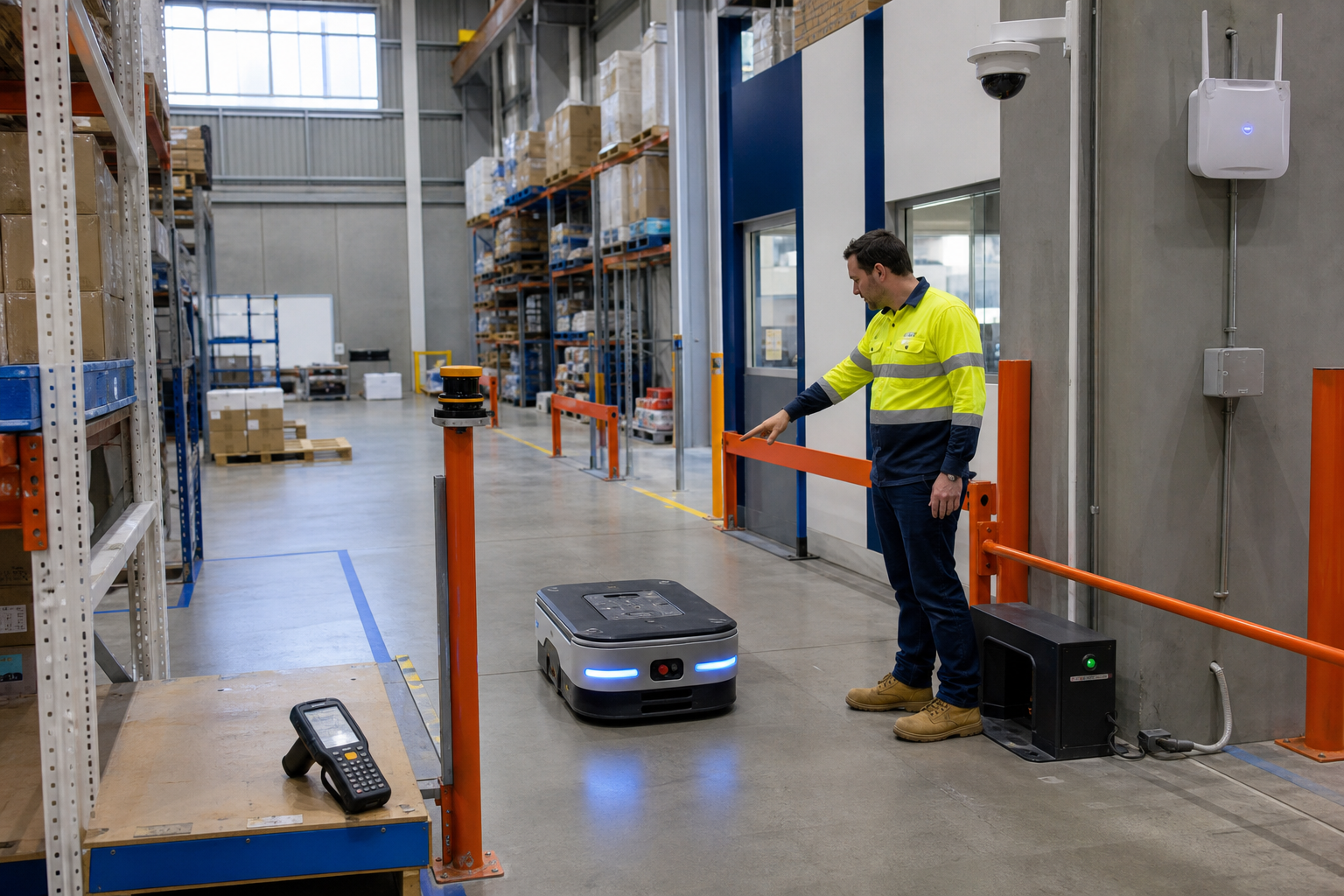
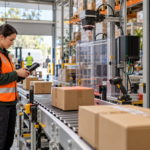
Warehouse automation can improve picking, movement and stock visibility, but connected equipment also becomes part of the business security environment. Australian small and medium businesses need to protect more than the warehouse management software.
Map the connected equipment
Keep a current register of autonomous mobile robots, charging docks, cameras, safety scanners, industrial Wi-Fi equipment, handheld terminals, gateways and cloud accounts. Record who owns each system, what it connects to and which supplier supports it.
Control accounts and supplier access
Use named accounts, strong authentication and separate permissions for staff, contractors and vendors. Remove access when a worker or supplier leaves. Avoid shared administrator credentials for robot fleets, warehouse software or camera systems.
Separate the warehouse network
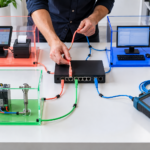
Where practical, keep robots, cameras and operational equipment away from finance, office and customer systems. A compromise in one device should not provide a simple path into every other part of the business. Review remote-management access and monitor unusual connections.
Protect routes, updates and integrations
Firmware, robot routes, safety settings and software integrations can affect both operations and physical safety. Use a controlled change process, keep recovery details, apply updates through a planned window and test that changes do not break picking, dispatch or emergency procedures.
Keep a manual fallback
Document how staff will receive orders, locate stock and dispatch essential goods if the automation platform, network or charging system is unavailable. Test the fallback with the people who would use it during a busy shift.
Sources
- business.gov.au: Cyber security for business
- OAIC: Privacy guidance for organisations and government agencies
Leave a comment