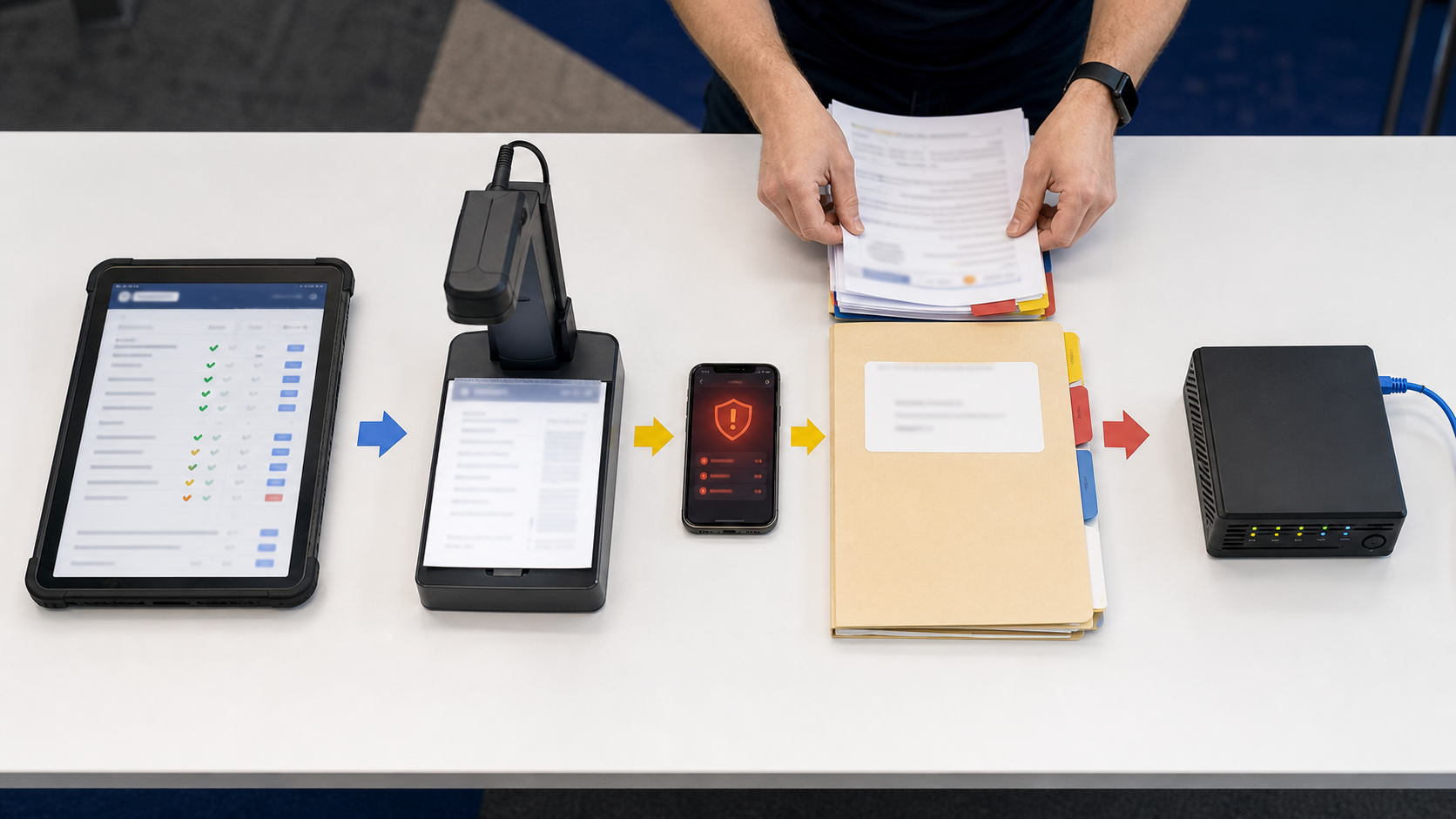
Cyber insurance readiness is not only about buying a policy. Australian small and medium businesses should also be able to show that important cybersecurity controls are owned, maintained and tested.
Know what needs protecting
Keep an inventory of devices, cloud services, suppliers, user accounts and critical business data. Include systems managed by contractors. Record what each system does, who owns it and what would happen if it became unavailable.
Turn controls into evidence
Keep simple records of access reviews, software updates, backup checks, staff awareness activities and supplier reviews. Evidence does not need to be complicated, but it should be dated, understandable and linked to a responsible person.
Prepare for an incident
Document who should be contacted, what information must be preserved, which services have priority and how recovery decisions will be made. Test the plan with a short scenario so gaps appear before a real event.
Check privacy and customer impact
Review the personal information your business holds, how it is shared and what must happen after unauthorised access. Consider customer, payment and regulatory impacts alongside technical recovery.
Make reviews routine
A monthly control review is more useful than a once-a-year paperwork exercise. It helps owners identify gaps earlier, improve incident response and have a clearer conversation with insurers and technology providers.
Sources
- business.gov.au: Cyber security for business
- OAIC: Privacy guidance for organisations and government agencies





Leave a comment