Today’s cybersecurity news starts with an Australian alert about fake IT support. Overseas, a retailer restored ordering, a messaging app disclosed a privacy flaw, and two reports show why research and public systems need separate access and recovery plans. All five developments had time-stamped coverage in the 24 hours to noon Sydney time. Report dates and incident dates are listed separately.
Cybersecurity news: five developments to watch
1. Scamwatch warns of fake Microsoft support pop-ups
Australia

Report: 20 November 2026, 14:05 AEDT (Scamwatch)
Incident: No single incident date given; the alert describes an active scam pattern.
Scamwatch has issued a new alert about criminals using browser pop-ups that look like Microsoft or Windows security warnings. The screen or alarm is designed to make the viewer call a fake help line. The pop-up alone is not proof that the device is infected. The consequences can change quickly if the caller hands over remote access or opens online banking while someone else can see the screen.
Give staff one trusted way to reach internal IT, even if they cannot use their browser. If someone has already granted access, notify IT immediately from another device. If banking or payments were involved, call the bank using a known number.
2. The Container Store restores online ordering after cyber incident
United States

Report: 20 November 2026 US date (company release); The Record at 06:34 AEDT on 21 November
Incident: Weekend before 20 November US time, according to the company; exact time not disclosed.
The US retailer brought its website and systems back online after suspending online orders while it contained the incident. The company said physical stores stayed open using alternative transaction procedures. Its investigation continues. The parent company does not believe customer financial data was affected, saying the retailer does not retain consumer payment information. That statement does not rule out impacts to other data.
Retail operations and finance teams should agree how they will match refunds, receipts and stock movements after a fallback checkout. A successful test purchase shows ordering works again; it does not tell you whether any records were accessed.
3. WhatsApp discloses Android flaw found during scam disruption
Global (Meta, United States)
Report: 20 November 2026, 16:03 UTC (Meta CVE record); 21 November, 03:03 AEDT
Incident: Date and scale of the scam campaign not disclosed.
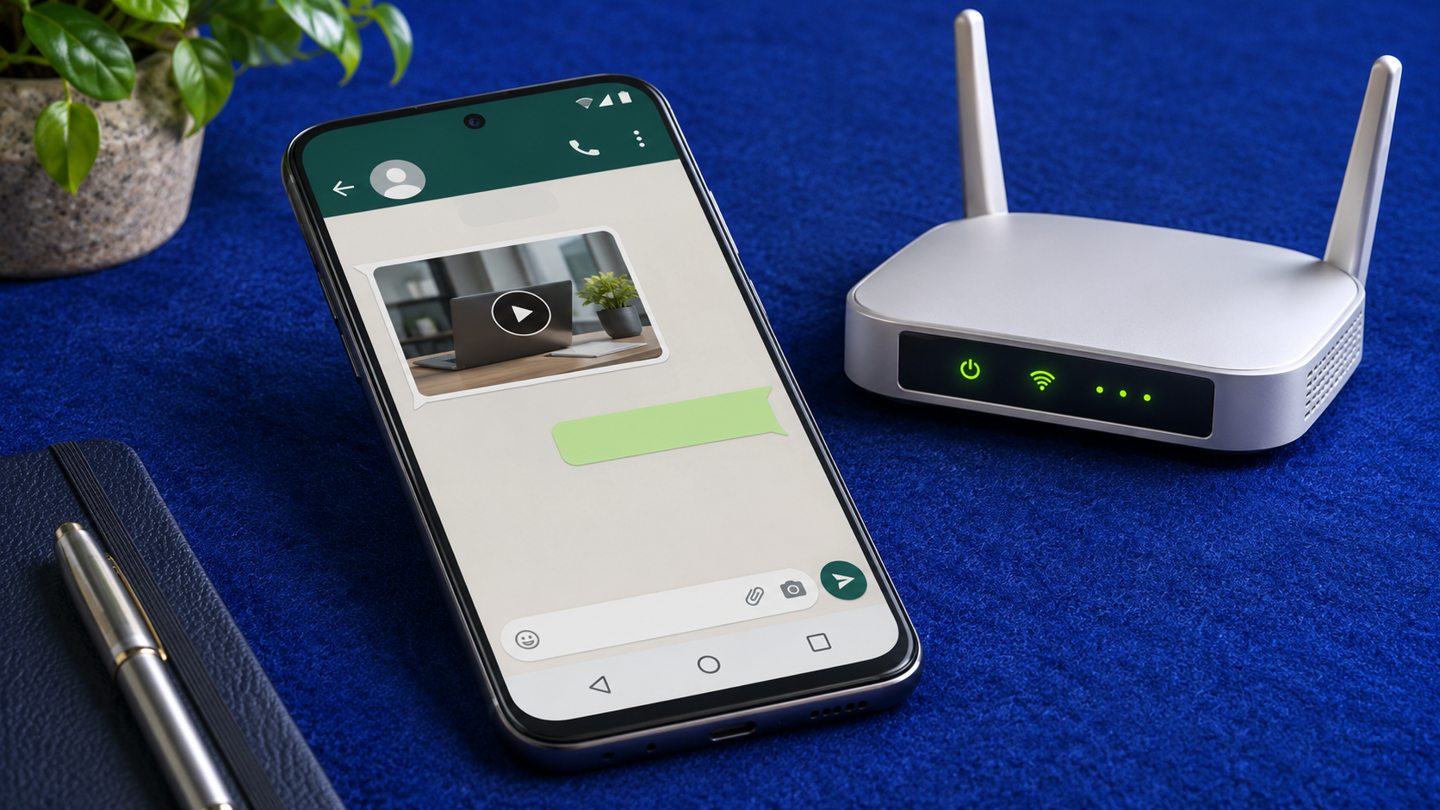
Meta says a flaw in older Android versions of WhatsApp and WhatsApp Business could expose a device’s IP information through an advertising reply. A spokesperson told SecurityWeek the team found it while disrupting a scam campaign and believes a scammer used it to make messages more convincing. The notice does not establish that chats were read or that accounts were taken over.
If staff handle orders or customer enquiries on WhatsApp Business, have IT check the installed version on shared Android devices rather than assuming the app has updated. Keep a separate verification step for refunds or changes to payment details, even when the message looks familiar.
4. AWS reports AI-assisted intrusions at East Asian universities
East Asia (countries not disclosed)

Report: 20 November 2026, 17:30 UTC (AWS); 21 November, 04:30 AEDT
Incident: AWS investigation began 10 September 2026; individual intrusion dates not stated here.
AWS reports that an operator used an AI system to direct attempted intrusions at universities in East Asia. AWS assesses with high confidence that a successful attempt involved a previously undisclosed weakness in research imaging software. That assessment does not establish that the operator was state-directed, nor does the report identify the universities or establish that patient records were accessed.
For Australian research and health teams, the immediate question is whether a system built for a lab is reachable from outside it. Have the service owner verify network access and account permissions, then confirm what remediation is available for the version actually deployed. Do not treat a source-code fix as proof that a supported package is installed.
5. West Virginia Legislature disables IT systems after cyber incident
United States
Report: 20 November 2026 US date (legislature spokesperson); The Record at 08:36 AEDT on 21 November
Incident: 19 November 2026 US local time, according to the legislature spokesperson.
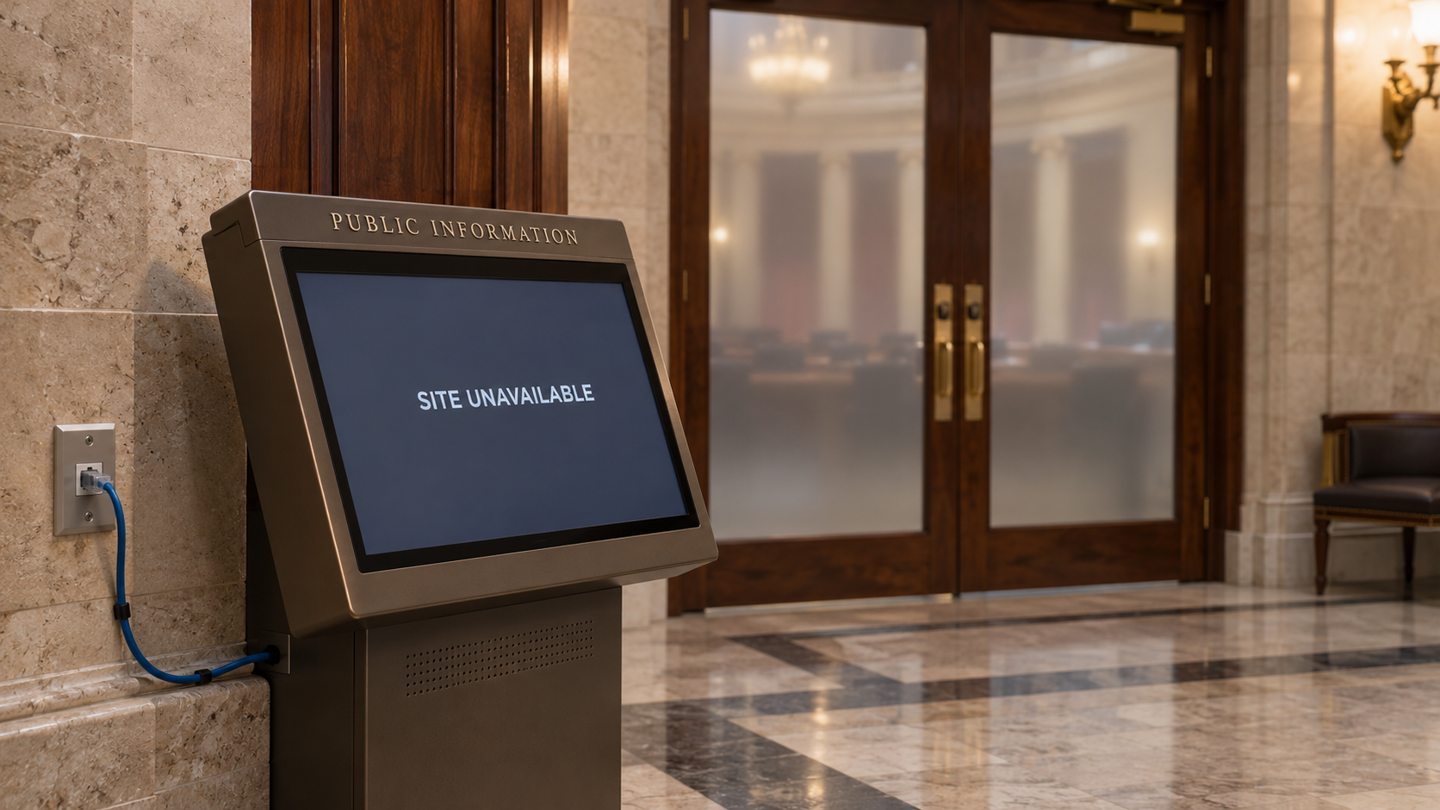
West Virginia’s Legislature took some systems offline as teams worked to contain and investigate a cyber incident. Its public website was unavailable on Friday. A House of Delegates spokesperson said the incident appeared limited to legislative systems, with no evidence that other state offices or agencies were affected. The reporting did not confirm ransomware or data theft.
Councils and other bodies that rely on a single website for time-sensitive notices should nominate a fallback channel before an outage happens. Test whether an authorised staff member can publish a notice there without signing into the same systems that incident responders might need to isolate.
How Xpansion can support your next step
Through Managed IT & Security, Xpansion Technologies can help you review system access, recovery plans and incident escalation within an agreed scope. Start with the service your customers would miss first and check who can keep them informed if it goes offline.
Sources
- National Anti-Scam Centre / Scamwatch: Primary source | Australian briefing index (lists alert; no independent victim count)
- Neighborhood Intelligence / The Container Store: Primary source | Independent reporting
- Meta / WhatsApp: Primary source | Independent reporting
- Amazon Threat Intelligence / Project MONAI: Primary source | Independent reporting
- West Virginia Legislature: Legislature spokesperson statement reported by West Virginia Watch | Independent reporting