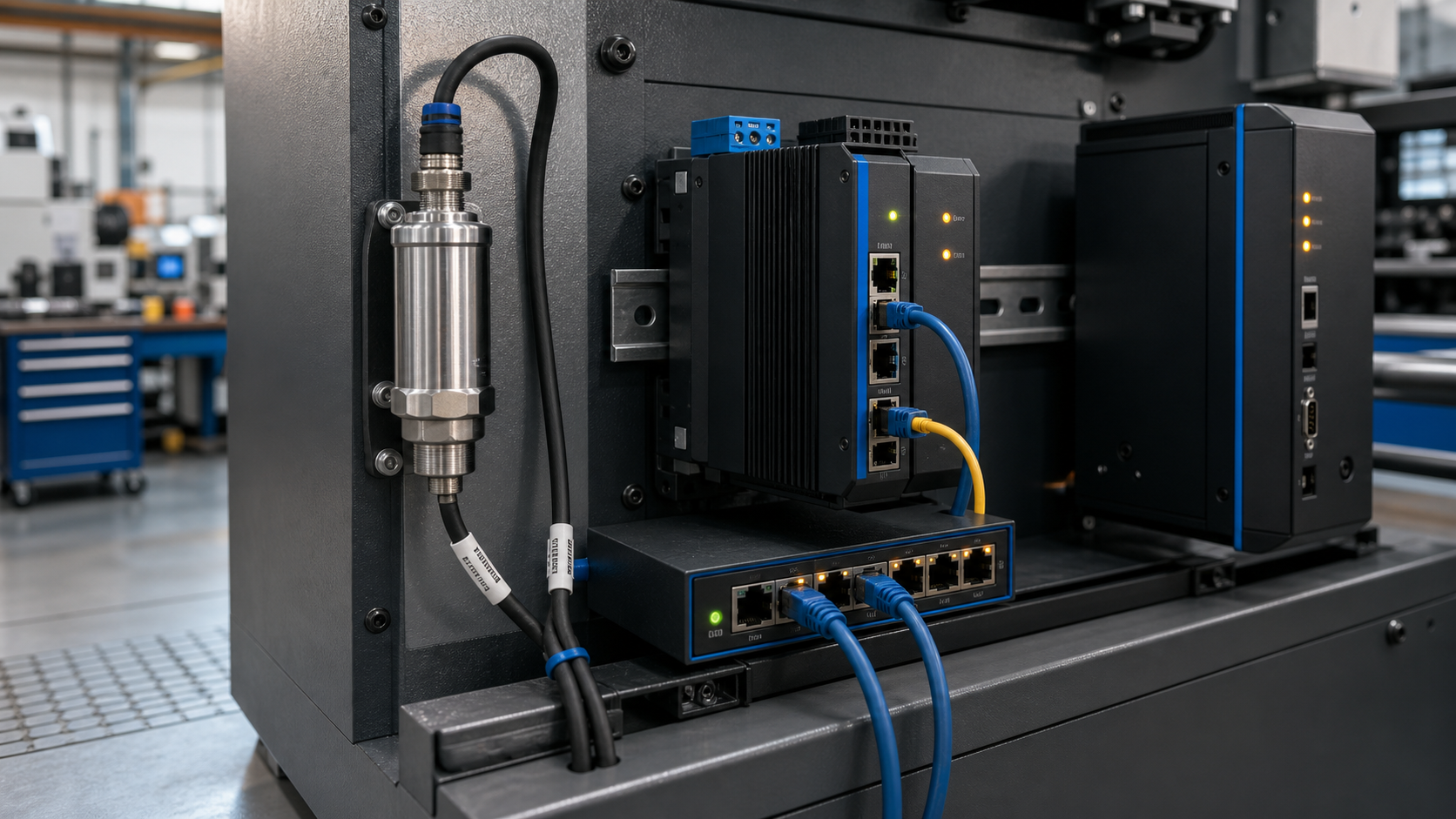
Industrial sensors are no longer limited to large factories. Australian small and medium businesses use connected temperature sensors, vibration monitors, energy meters, access systems and equipment gateways in workshops, warehouses, retail sites and service operations. These devices can improve maintenance and visibility, but they also extend the business technology environment.
Start with an accurate device inventory
Record each sensor, gateway, controller and cloud service. Note its purpose, location, network connection, supplier, firmware version, administrator account and replacement process. Include devices installed by contractors. An inventory helps the business identify unknown equipment and respond quickly when a device stops reporting or a supplier needs access.
Separate operational devices from office systems
Connected equipment should not share an unrestricted network with staff laptops, finance systems or guest Wi-Fi. Use separate network segments and firewall rules so a compromised sensor or gateway cannot provide an easy path to other systems. Restrict outbound connections to what the device and service actually require. Review the rules when equipment is replaced or a supplier changes.
Protect gateways and supplier access
Change default passwords, use multi-factor authentication where available and remove unused accounts. Supplier access should be time-limited, approved by a named person and reviewed after maintenance. Keep management interfaces away from the public internet. Store configuration backups securely so a gateway can be rebuilt without relying on an old contractor account.
Manage updates and failure conditions
Check how firmware updates are tested, scheduled and rolled back. Ask what happens if an internet connection, gateway, sensor or cloud service fails. A manual fallback may be essential for temperature records, production checks, security monitoring or customer service. Test alerts and backup procedures before they are needed.
Collect only useful business data
Sensor data can reveal information about employees, customers, premises and operating patterns. Define what is collected, why it is needed, who can view it and how long it is retained. Protect exports and dashboards as carefully as the devices themselves. Remove old data and accounts when the business no longer needs them.
A practical quarterly review
Every quarter, compare the physical equipment with the inventory, review accounts and supplier permissions, check firmware status, test one failure scenario and confirm that network separation still works. Small businesses do not need a complex industrial security programme to make progress. Clear ownership, sensible segmentation and repeatable checks provide a strong starting point.
Sources
- business.gov.au: Cyber security for business
- Office of the Australian Information Commissioner: Privacy rights

Leave a comment