Today’s cybersecurity news starts with Queensland’s formal notice about a parks booking breach. Overseas, fake wallpaper ads put work inboxes at risk, CircuitVerse explains a gap in its build approvals, and new reporting on Drupal and Mitel shows why fixing a flaw is not the same as checking for a breach. Report dates and incident dates are listed separately.
Cybersecurity news: five developments to watch
1. Queensland issues formal notice over parks booking breach
Australia
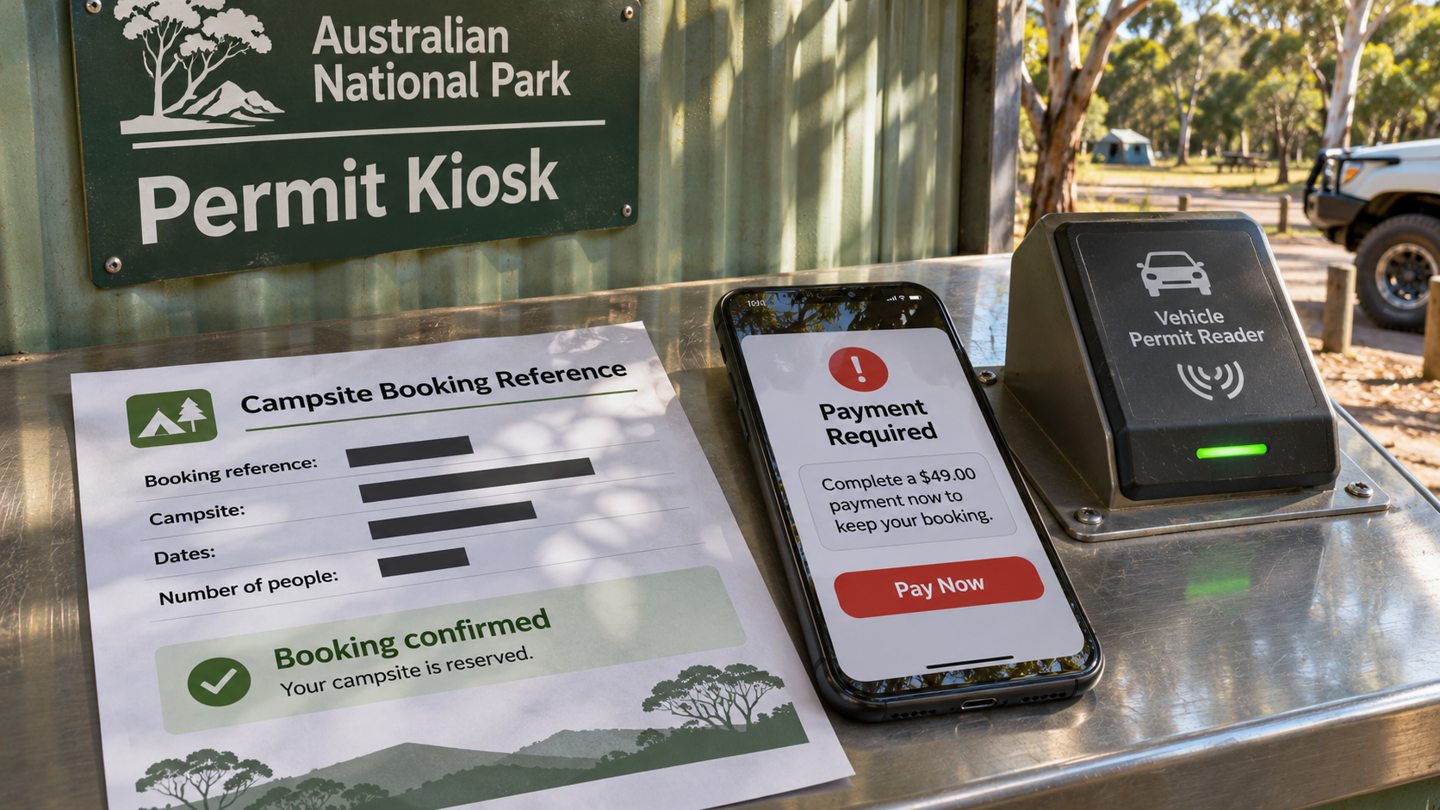
Report: 26 November AEDT: Queensland issued its formal notice. Lyntev reported the new details at 5:57 pm AEDT; the notice itself does not give a time.
Incident: Bookeasy puts unauthorised access between 28 October and 1 November. Queensland first alerted customers on 11 November.
Queensland’s environment department has issued a formal eligible data breach notice after receiving more information from its reservation provider, Bookeasy. The department now says an intruder was able to view and take booking information. It says Bookeasy has not identified payment card access, but customers have received fake invoices and messages referring to real bookings. The notice provides no confirmed total of affected customers.
If a message asks you to pay again or change a booking, contact the operator through its official site rather than replying or using the message’s payment link. Tourism operators should tell customers which channels they actually use and how customers can check a disputed request.
2. Fake wallpaper ads put business inboxes and ad accounts at risk
International
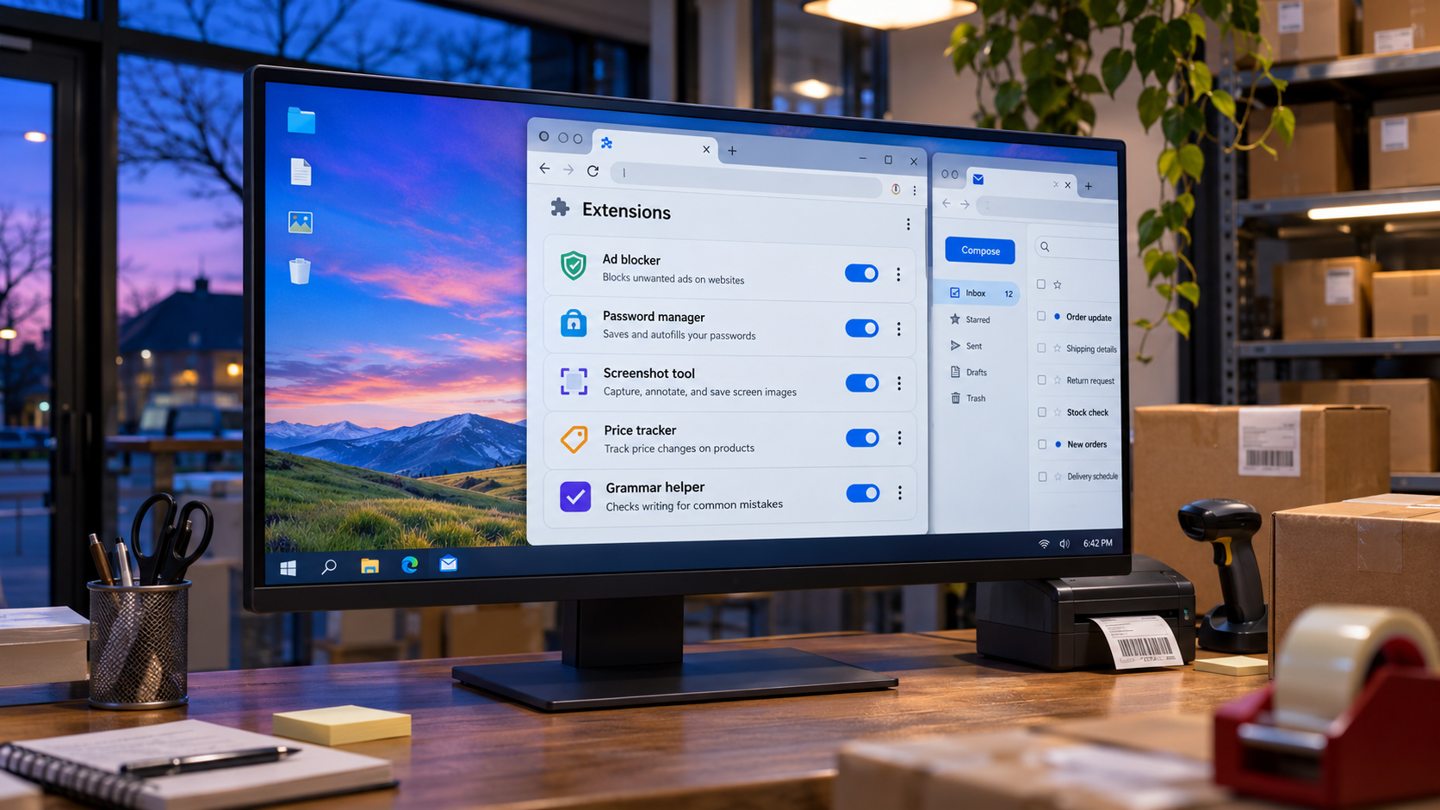
Report: 26 November, 7:55 pm AEDT: Bitdefender Labs published its SYS010 findings.
Incident: Researchers identified the first malicious ad in this campaign on 16 October; they describe the campaign as ongoing.
Bitdefender Labs found paid social ads promoting wallpaper apps that worked as advertised but also installed malware on Windows. The malware misused browser management features to add an extension. Researchers say one version could read recent Gmail and Outlook messages and delete selected emails, including security alerts. Advertising reach does not tell us how many devices were infected.
If an unmanaged work browser suddenly says it is managed, ask IT to verify the policy and extensions. If compromise is suspected, have IT isolate the device and review mailbox activity and business ad accounts from a clean device. A quiet inbox is not proof that no alerts were generated.
3. CircuitVerse explains an approval gap after removing 40 installers
International

Report: 26 November, 11:01 pm AEDT: a CircuitVerse maintainer described the limit of the project’s build approval rule.
Incident: StepSecurity traced the tampering to 19 October. CircuitVerse confirmed the file removal on 25 November UTC.
A CircuitVerse maintainer said its build approval rule applied to first-time contributors and may not have covered the account involved. The project had already removed 40 installer files after confirming that a malware loader ran in its automated desktop build process. The affected changes never entered the project’s main code. The sources do not establish how many users ran the installers.
Software teams should check that test builds cannot publish files to the same place customers get trusted releases. If someone used an affected installer, have IT assess that device before returning it to use. A clean main branch does not clear a file that was built elsewhere.
4. NHS England expects more attacks on vulnerable Drupal sites
United Kingdom / international

Report: 27 November, 12:34 am AEDT: NHS England issued its assessment. Drupal’s original advisory was at 4:04 am AEDT on 26 November.
Incident: Drupal reports exploitation in the wild but does not give the first attack date or the number of sites affected.
NHS England’s cyber operations centre says further exploitation of a Drupal flaw is likely. Drupal had already reported that attackers were using it to target sites in unusual or incomplete installation states, even after an earlier installer fix. The NHS assessment is not evidence that its own sites were hit. Drupal says a site whose installer was already secured is not vulnerable to this flaw.
Ask the website provider to confirm the exact running version against Drupal’s current advisory and check whether the installer was ever exposed. If it was reachable, investigate past changes and administrative access as well as applying the fix. A public site that still loads normally is not necessarily untouched.
5. Researchers document a Mitel intrusion before the fix was available
International
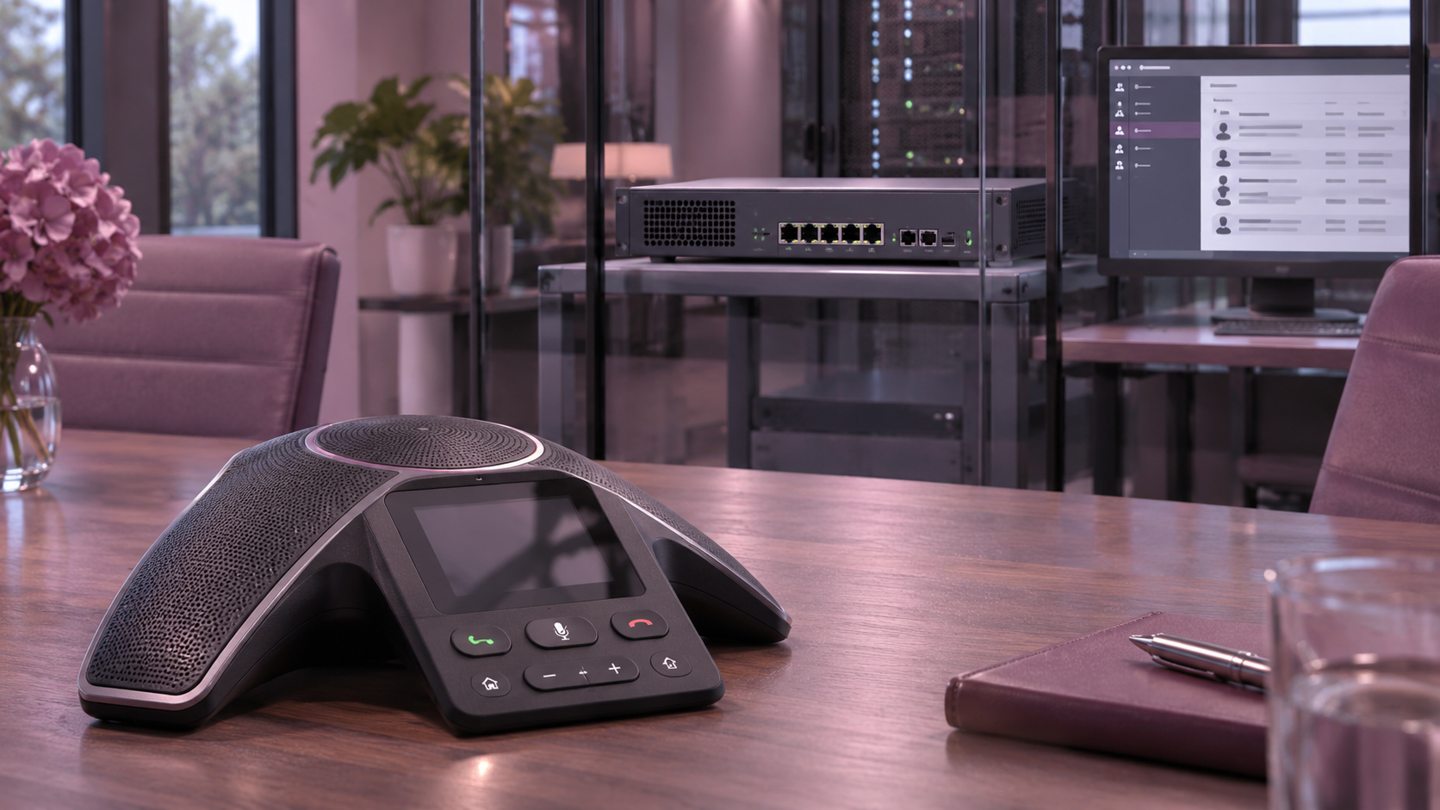
Report: 26 November, 10:35 pm AEDT: SecurityWeek published coverage of APEX Labs’ case findings.
Incident: APEX Labs found evidence of a compromise at one victim on 15 November UTC, before Mitel’s 16 November advisory and patch.
Accenture APEX Labs says attackers breached a Mitel MiCollab system before a fix was available. In the case it examined, the intruder reached the organisation’s identity infrastructure and sensitive business data was stolen. The researchers saw contact with commercial AI services, but could not establish precisely how those services were used.
If your organisation uses MiCollab, have the communications provider confirm the applicable Mitel fix is installed, not just the base version. If the system was exposed, ask your security team to check historical activity on both the appliance and the connected directory. A successful upgrade does not remove an intruder who already obtained access elsewhere.
How Xpansion can support your next step
Through Managed IT & Security, Xpansion Technologies can help you review system access, recovery plans and incident escalation within an agreed scope. Start with a booking platform, work browser or public website your staff rely on. Agree who can check the supplier’s response and who will review your own access history.
Sources
- Queensland DETSI / Bookeasy: Queensland Parks notice | Lyntev report on the new notice
- Bitdefender Labs: Bitdefender Labs research | BleepingComputer reporting
- CircuitVerse / StepSecurity: CircuitVerse maintainer response | StepSecurity analysis
- NHS England National CSOC / Drupal Security Team: NHS England cyber alert | SecurityWeek reporting and Drupal advisory link
- Accenture APEX Labs / Mitel: Accenture APEX Labs investigation | SecurityWeek reporting